Regenerative approaches optimizing sustainable agricultural ecosystems
Agroecology transcends simple crop production by harmonizing soil health, water cycles, and biodiversity. This regenerative strategy ensures long-term food security, actively restoring degraded landscapes and building climate resilience.
Redefining productivity within complex agricultural systems
Monocultures are yielding to diversified agroecosystem models mimicking nature to biologically suppress pests and diseases.
By stacking complementary species in intercropping systems, producers create symbiotic relationships where tall crops shade heat-sensitive plants. Deep-rooting varieties mobilize nutrients, reducing synthetic fertilizer dependency while stabilizing yields against weather fluctuations.
Restoring vitality to soil and water cycles
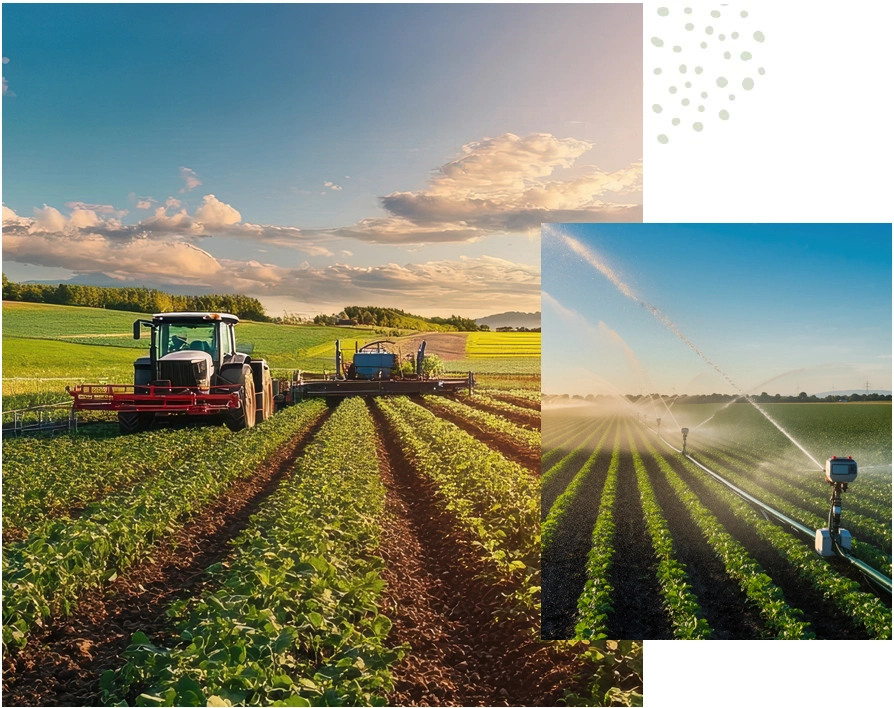
Healthy soil acts as a living sponge, filtering water and storing carbon. Restoring this underground ecosystem remains the priority for securing hydraulic resilience against increasingly frequent climatic droughts and floods.

Nurturing the soil microbiome
Mycorrhizal fungi networks transform organic matter into bioavailable plant nutrients.

Optimizing natural water retention
Soil humus increases the ground’s water-holding capacity during severe dry spells.

Closing the nutrient loop
Composting biomass residues returns vital nitrogen and phosphorus back to the topsoil.
Innovation driving regenerative farming practices

Agroforestry integration for resilience
Planting timber or fruit trees in alley cropping reduces wind erosion, moderates temperature extremes, and provides additional income streams for farmers.

Continuous cover crop strategies
Maintaining living roots year-round prevents topsoil loss, suppresses aggressive weeds naturally, and feeds microbial biology during the dormant winter months.

No-till conservation techniques
Minimizing mechanical soil disturbance preserves delicate fungal hyphae networks and prevents the rapid oxidation of stored organic carbon into the atmosphere.

Precision agriculture solutions
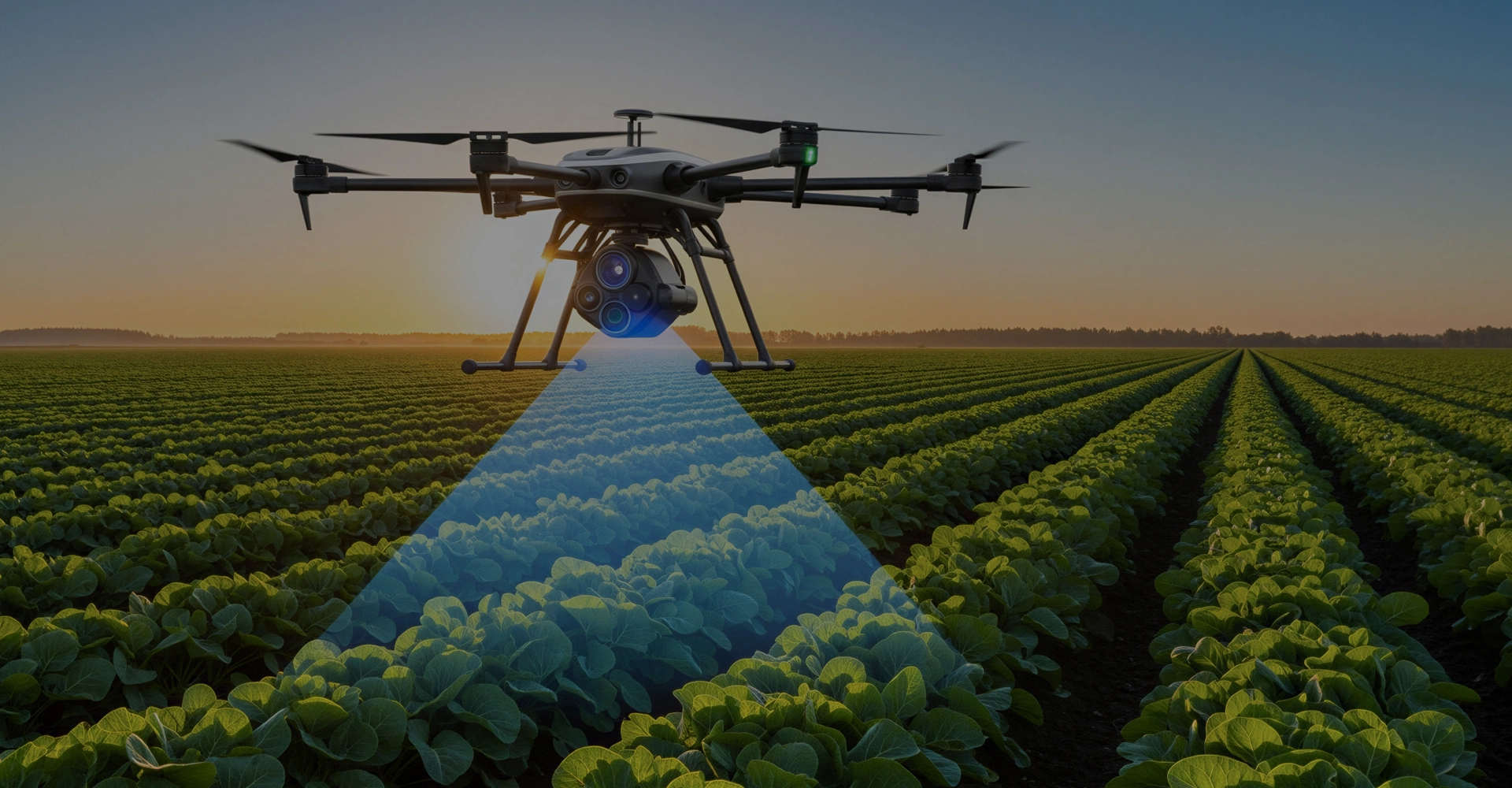
IoT sensors and drones allow for targeted water and nutrient application, drastically reducing waste while maximizing the health of every individual plant.
Forest ecosystems and silvopasture integration dynamics
Forests serve as crucial regulators of regional weather patterns and biodiversity banks. By integrating forest management with agricultural activities, producers create riparian buffer zones protecting waterways from runoff. These wooded areas offer critical habitat for beneficial predators.
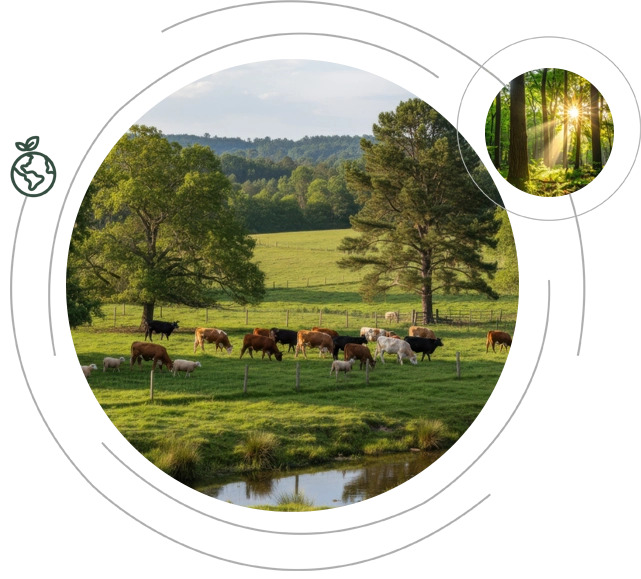
Silvopasture combines forestry with grazing animals, allowing livestock to forage in shaded environments. This method improves animal welfare by reducing heat stress while animals manage undergrowth and naturally fertilize timber stands.
Sustainable forestry management
Climate adaptation and carbon sequestration
Agriculture possesses unique potential to reverse emissions by sequestering atmospheric CO2. Through photosynthesis, plants pump liquid carbon into the ground, transforming farmlands from emission sources into significant climate-resilient carbon sinks.
Enhancing yields via productive biodiversity
Genetic uniformity creates vulnerability, whereas a diverse ecosystem ensures stability. Introducing a wide variety of species creates a safety net against crop failure caused by host-specific pathogens.
Establishing wild margins and flowering strips attracts native bees and hoverflies. These insects pollinate crops and consume aphids, effectively replacing synthetic pesticides with powerful biological control agents.

Preserving heirloom genetic seed diversity
Heirloom varieties possess genetic traits withstanding regional climate stress better than standardized commercial hybrids, ensuring harvest security during extreme weather seasons.

Protecting native pollinator populations
A decline in pollinator populations directly threatens food supply. Creating continuous bloom calendars ensures these insects have nectar throughout the season, maximizing fruit set and crop quality.
Optimizing resources and local supply chains
The journey from farm to fork requires redesigning energy usage. Shortening supply chains reduces transportation carbon footprints and connects consumers directly with seasonal, transparent production cycles.

Circular bioeconomy management
Waste products from one process become inputs for another, such as using livestock manure to generate anaerobic biogas for powering farm equipment.
Strengthening regional food systems
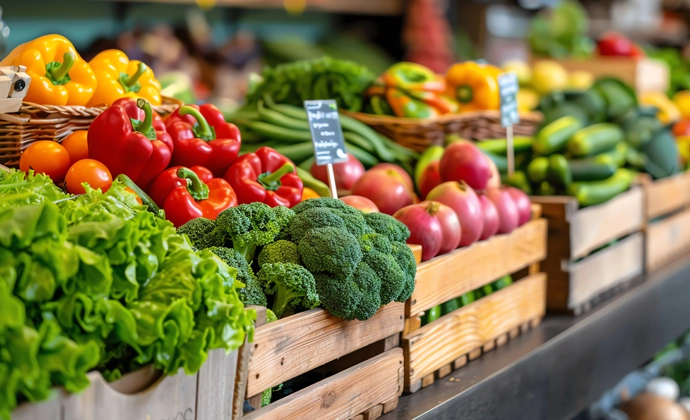
CSA models foster trust, guaranteeing farmers a fair price while providing local families with fresh, nutrient-dense, and traceable food options.